
1. What is Bamboo & Key Characteristics
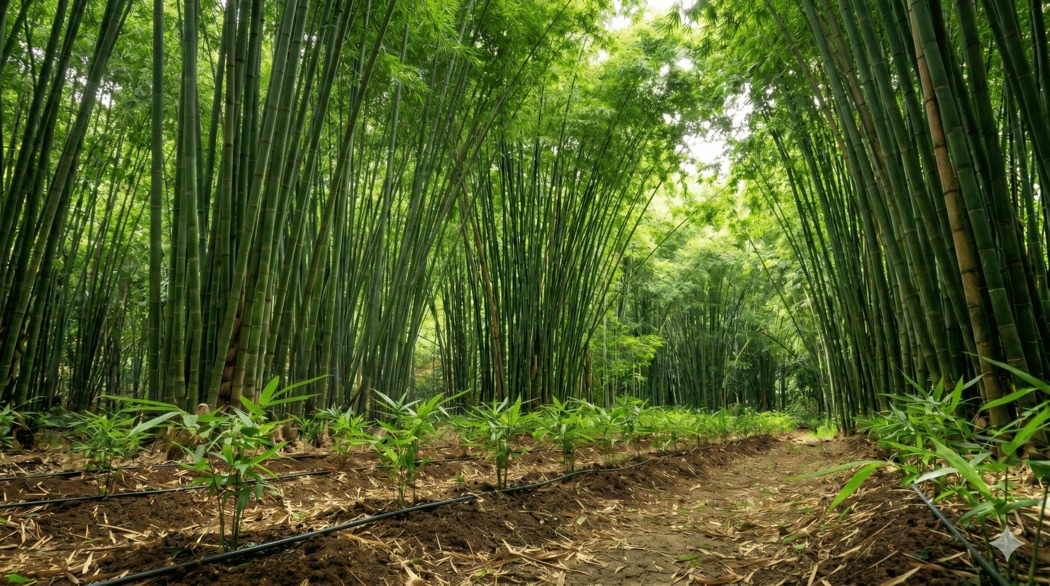
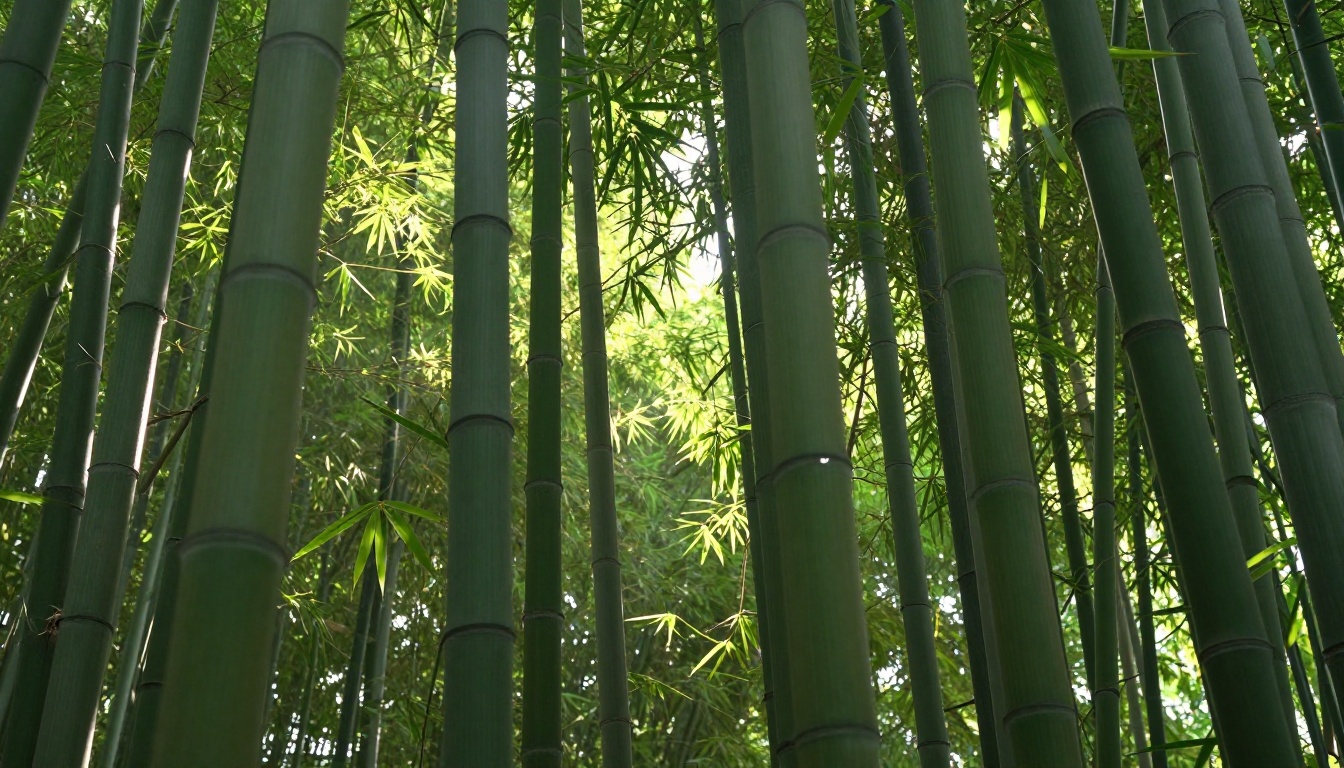
Bamboo is a diverse group of highly adaptable, evergreen perennial flowering plants belonging to the grass family Poaceae. Despite its tree-like height and woody strength, it is technically the world's tallest grass, characterized by hollow, jointed stems called culms. Native to various global climates, bamboo stands out due to three remarkable characteristics:
· Rapid Growth: Certain species grow up to 3 feet in a 24-hour window, maturing in 3 to 5 years.
· High Tensile Strength: Its structural integrity (28,000 psi) rivals or outperforms steel (23,000 psi).
· Regenerative Roots: An underground rhizome network naturally shoots up new culms after harvest without replanting.
2. Global Importance and Ecological Benefits
Bamboo is essential for modern ecological restoration and climate change mitigation. It functions as a resilient timber and plastic substitute, easing commercial pressure on ancient native forests. Major environmental benefits include:
· Carbon Sequestration: Releases 35% more oxygen and absorbs more CO2 per hectare than standard tree species.
· Soil Security: Its dense root network locks topsoil, preventing extreme erosion on slopes and riverbanks.
· Water Conservation: Naturally regulates regional run-off and filters impurities from neighboring water tables.
3. Why One Should Plant Bamboo & Financial Benefits
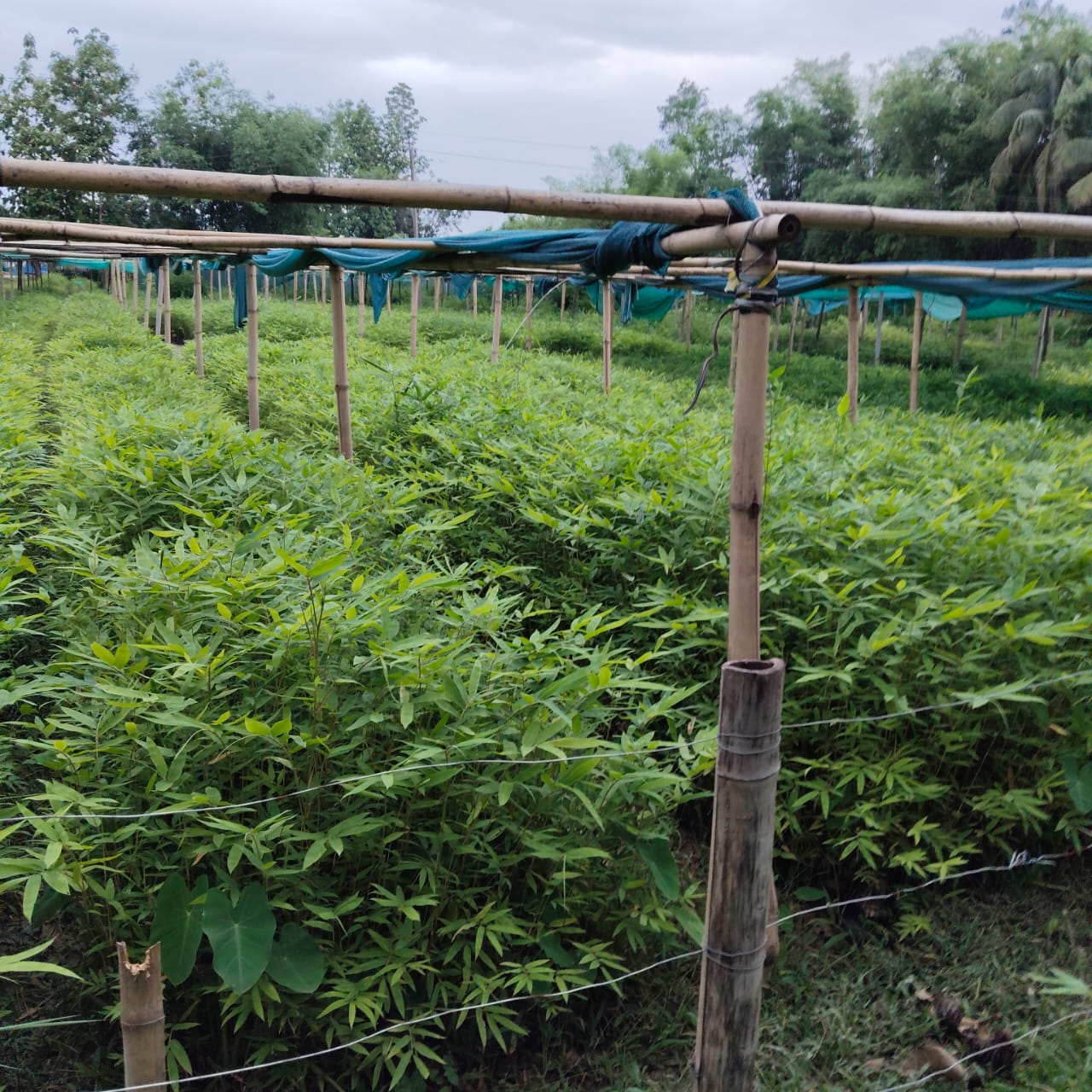
Planting bamboo transforms marginal, low-yield soil into a high-productivity carbon sink and a secure commercial asset. Known as 'Green Gold,' it offers landowners exceptional economic resilience and robust market advantages:
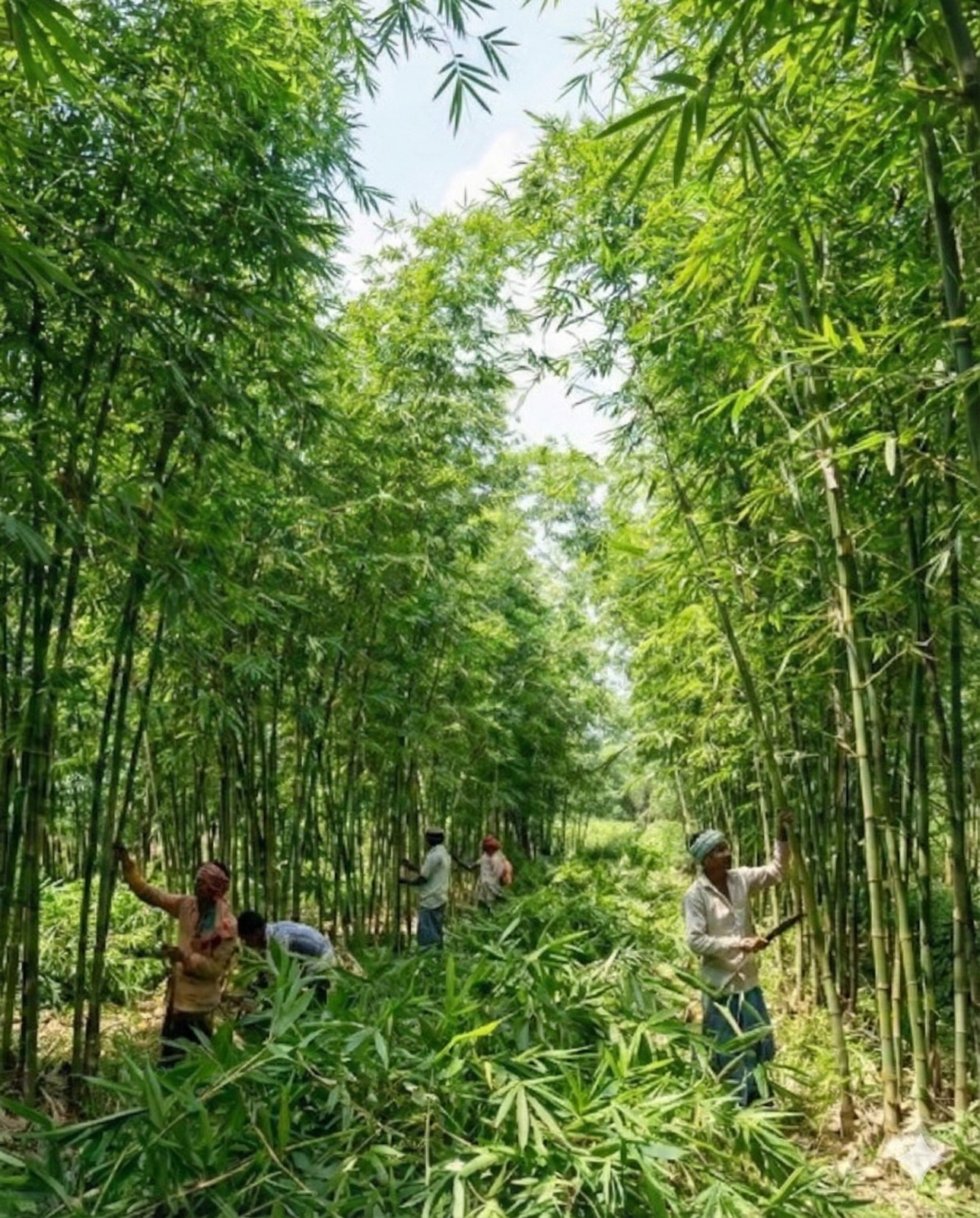
· Continuous Long-Term Yields: After a 4-5 year setup phase, the block can be harvested annually for 40+ years.
· Diverse Commercial Pipelines: Serves high-demand markets including construction, paper pulp, textiles, furniture, and organic foods.
· Low Upkeep: Highly pest-resistant and drought-tolerant once established, requiring minimal ongoing labor.
4. Practical Limitations & Precautions
Successful management requires explicit structural precautions to counter operational risks:
· Invasive Control: Select non-invasive clumping (sympodial) species rather than running varieties for commercial plots.
· Gestation Gap: Plan for a 4-year pre-income period. Intercropping with seasonal legumes helps maintain early cash flow.
· Post-Harvest Curing: Treat culms immediately with borate or water-leaching to eliminate natural starches and deter pests.
Start Your Commercial Bamboo Journey
Contact Us: +91 9227021270
Get professional agronomy guidance, site-feasibility checks, and premium saplings today.
The Green Gold: A Guide to Bamboo Cultivation
2026-06-22
Transform Your Spaces with India’s Finest Tiles, Marbles & Building Materials — Sourced by MBR TRADILO EXIM LLP
2025-06-20
"Smart Farming: The Future of Agriculture in India"
2025-06-20
Discover the Timeless Beauty of Handicraft Products
2025-06-19
Office Address:
37, First Floor, Ved Transcube Plaza, Central Bus Depo, Sayajigunj, Vadodara, Gujarat, India - 390020.
Reg. Address:
C-08, Shree Rangam Revel, B/s Shree Rangam Vintage, Sayaji Township Road,
New Karelibaug, Vadodara, Gujarat, India - 390019.